
Trade & Trade Policy
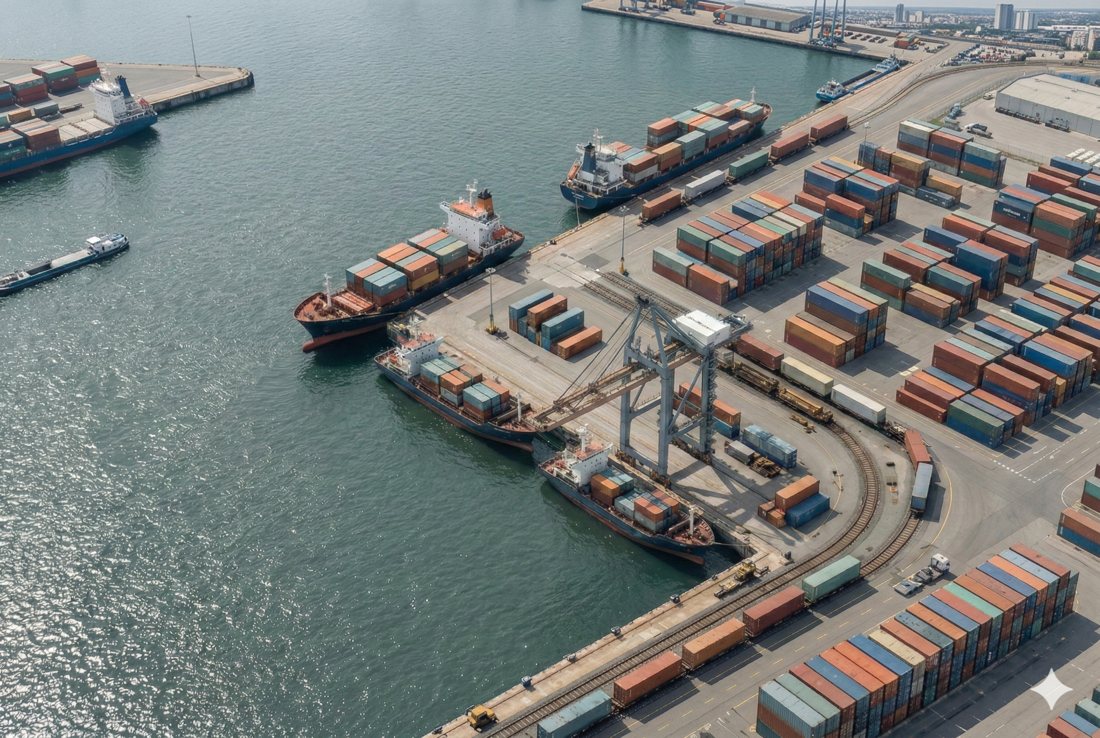
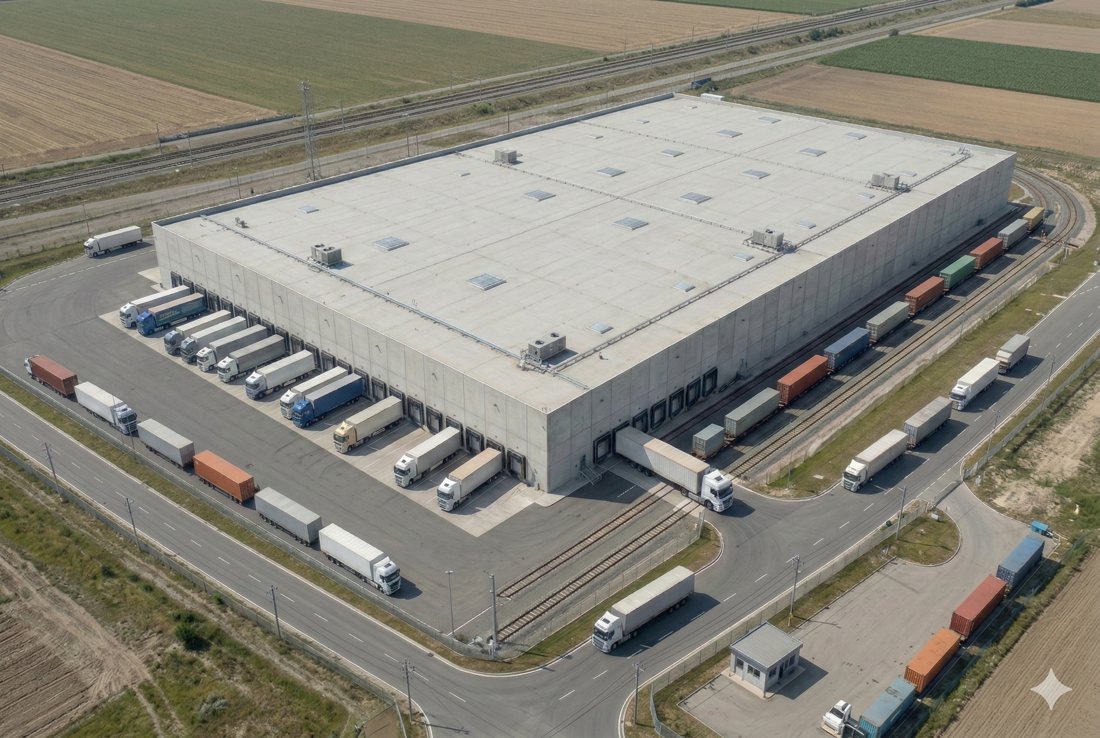
U.S. trade policy began to shift during the mid-2010s from four decades of expanding globalization toward increasing protectionism and domestic industrial policy. This increasingly nationalistic trade trend represents a rare point of bipartisan agreement within today’s generally polarized political environment. This reversal affects commercial real estate through multiple channels: construction material costs, manufacturing facility demand, port and logistics volumes, labor market dynamics, and the potentially inflationary effects of tariffs and supply chain restructuring. Trade policy intersects directly with other key economic and real estate investment drivers, including demographics (labor supply, immigration), inflation (tariff-driven price increases, construction costs), technology (semiconductor supply chains, AI infrastructure), and climate (energy transition manufacturing, EV subsidies).
Key Data Sources & Research
fred.stlouisfed.org - Manufacturing construction spending, trade balance, industrial production
www.census.gov - Trade in goods data, international trade statistics
www.bls.gov - Producer price indices, construction cost indices, employment data
www.usitc.gov - Tariff data, trade remedy investigations
www.cbo.gov - Tariff revenue projections, fiscal impact analyses
ustr.gov - Trade agreements, tariff schedules, policy updates
Industrial market reports, port volume data, manufacturing real estate research