
Industrial
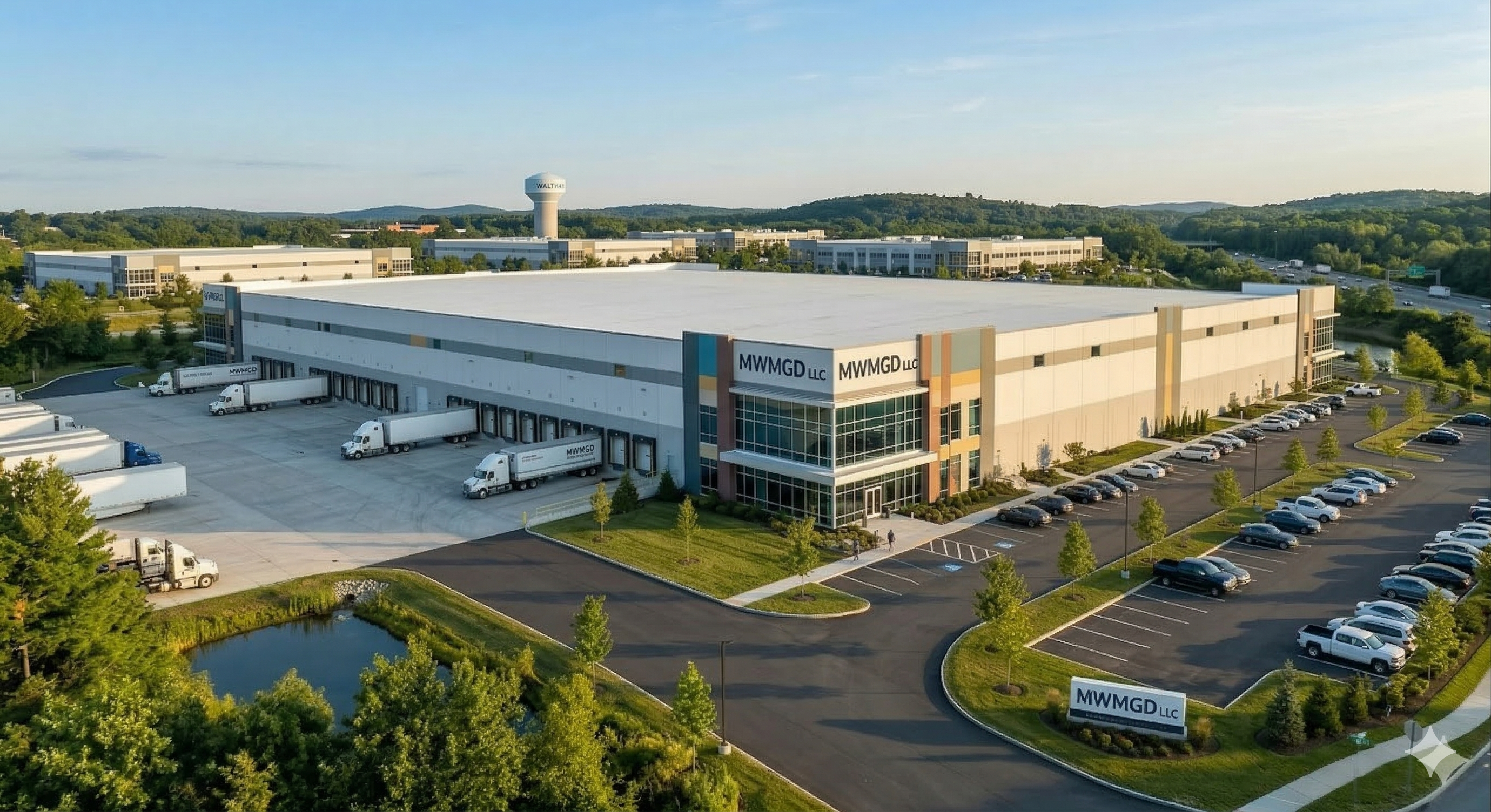
The U.S. industrial sector added 3.6 billion square feet of inventory between 2007 and 2025 — a 23% expansion that outpaced population growth, GDP growth, and every other major commercial property type except multifamily over the same period.
Rising demand from e-commerce fulfillment, supply chain reconfiguration, and a pandemic-era surge in goods consumption drove vacancy rates to a record low of 3.9% in 2022. Asking rents nearly doubled, from $6.09 to $12.13 per square foot and leading to a massive supply wave. Over 500 million square feet delivered in 2023 alone, the largest single-year supply in the sector’s history, right as net absorption dropped sharply as a reaction to aggressive post-pandemic leasing and the economic shock of rising interest rates. Vacancy has climbed to 7.5% nationally, with Sun Belt markets that attracted the most speculative construction experiencing the steepest increases. New construction starts have fallen significantly, mirroring the same boom-to-oversupply dynamic playing out in multifamily across many of the same southern growth metros.
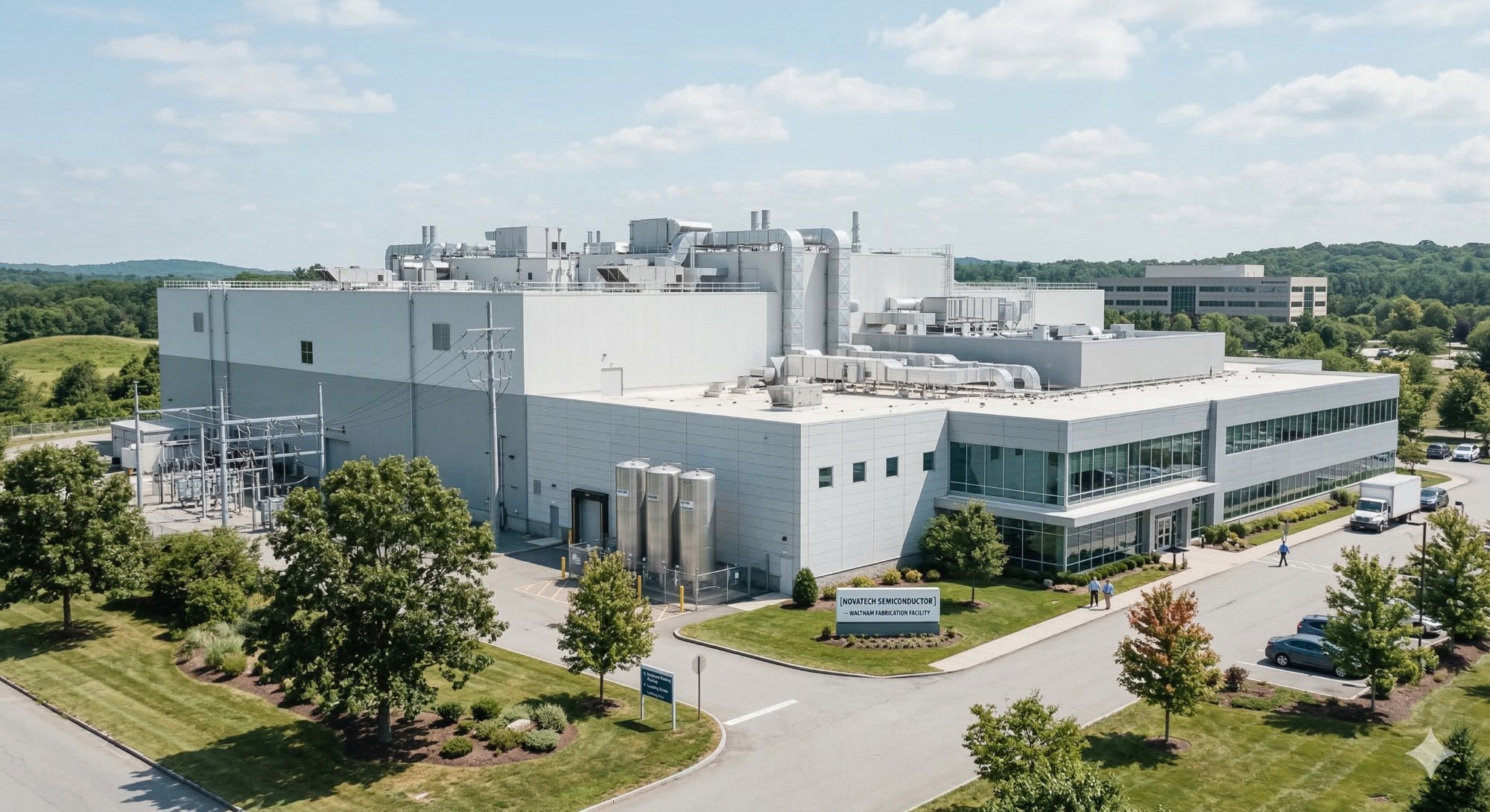
This section examines the forces influencing U.S. industrial real estate — from e-commerce’s ongoing share gains and federal industrial policy to regional supply-demand imbalances and the emerging role of advanced manufacturing facilities.
Key Data Sources & Research
www.costar.com - National and MSA-level industrial inventory, vacancy, rents, deliveries, absorption, construction pipeline
fred.stlouisfed.org - Quarterly E-Commerce Sales as % of Total Retail; Value of Construction Put in Place
www.cbre.com - U.S. Industrial Figures, market outlook, logistics demand analysis
www.us.jll.com - Industrial Market Dynamics, port-proximate warehouse analysis, transaction volume
www.cushmanwakefield.com - U.S. Industrial MarketBeat, regional vacancy and rent data
rhg.com - Clean Investment Monitor; tracking CHIPS/IRA/IIJA manufacturing investment flows