
Office & Life Science

The U.S. office market has experienced a significant upheaval since the Covid-19 pandemic, increasing vacancy from roughly 12.5% in early 2019 to nearly 20% by the end of 2025. The post-pandemic office reset has produced a correction deeper and longer than the savings-and-loan crisis (1989–1993), the dot-com bust (2000–2003), or the Global Financial Crisis (2007–2010). New office construction has collapsed to 30-year lows while demolitions and conversions are removing inventory faster than new space is being built. Reduced new supply will serve as an offset to reduced demand as the market seeks equilibrium.

Life science real estate, once considered a natural offset to office weakness, has experienced an even sharper correction than office. Venture funding boomed immediately following the onset of Covid-19 and then contracted to pre-pandemic levels, creating a surge in both new construction vacancy and sublease inventory in key cluster markets. The life science real estate market is seeking its own equilibrium following a massive reset, representing one of the most dramatic boom-bust cycles in the history of commercial real estate.
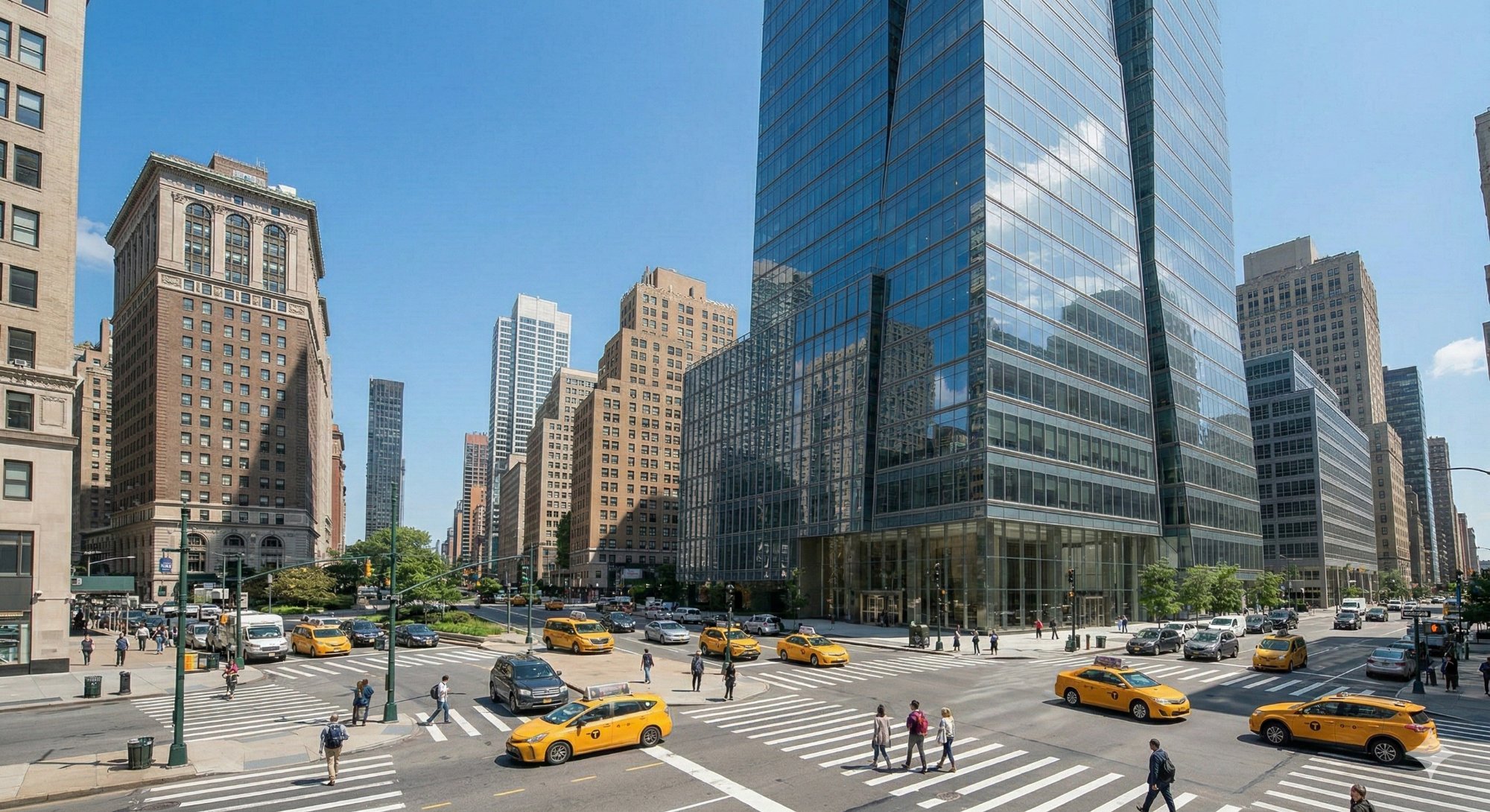
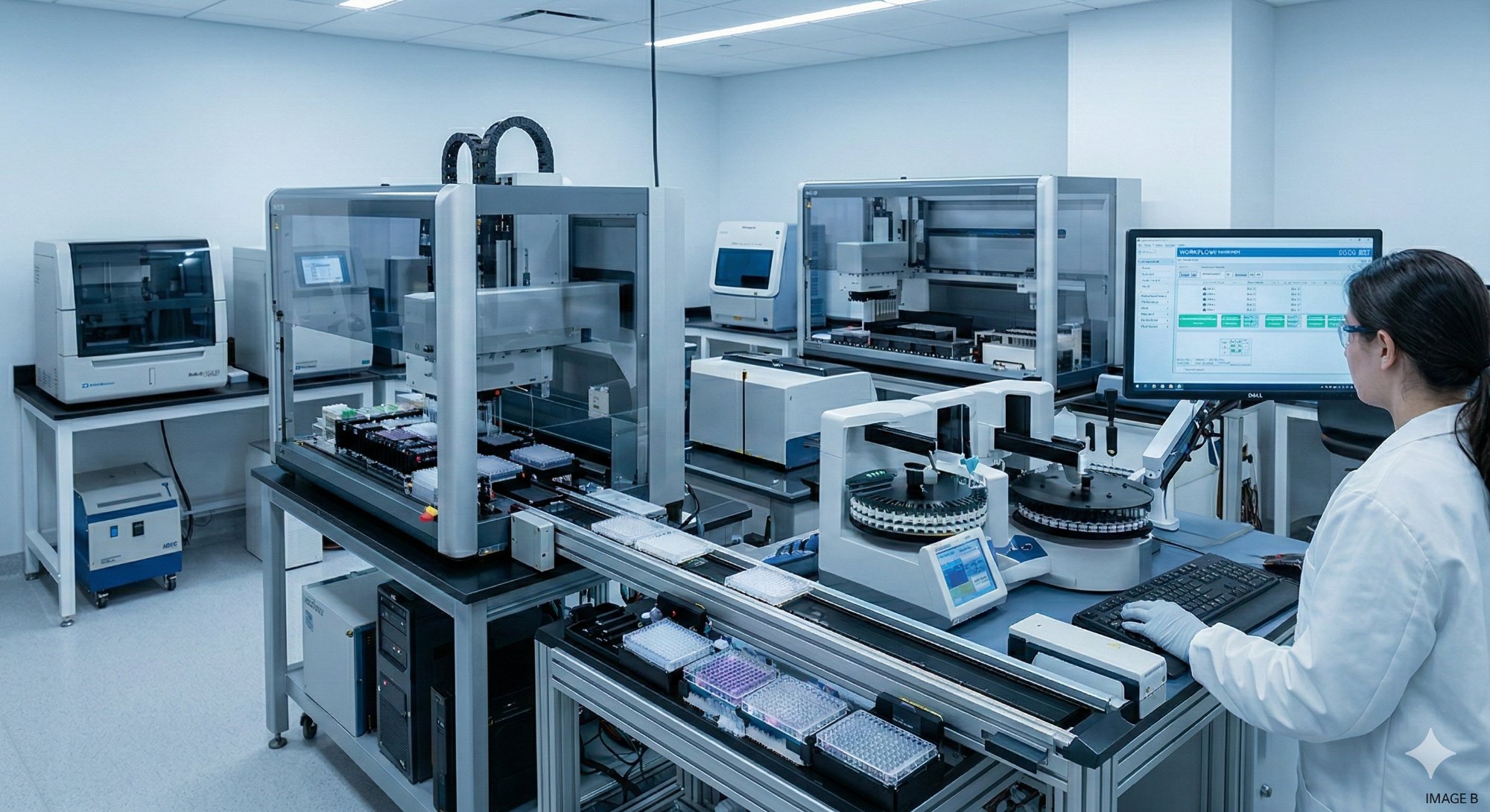
Modern office building Life science laboratory facility
U.S. Office Market: 2019–2025
CRE42 Composite of CBRE, JLL, Colliers, and C&W data; quarterly vacancy, absorption, construction, and rents; supply dynamics showing inventory shrinkage; recovery signals in H2 2025
National CRE Supply Trends vs. Population and GDP
GDP, population, and inventory growth indexed across office, multifamily, industrial, and retail (2007–2025); cross-asset vacancy and supply dynamics
U.S. Office Supply Cycle: 2000–2026
25-year CoStar dataset: net deliveries, construction starts, absorption, vacancy, and rent trends (2000–2026 YTD); secular supply decline, six years of negative absorption, flight-to-quality rent dynamics, and the supply-side shutdown
U.S. Office Regional Divergence
CoStar data for 37 MSAs with 100M+ SF office inventory; regional vacancy, deliveries, absorption, and rents by Census region; Kastle occupancy recovery tracker; quarterly availability change signaling demand inflection
U.S. Life Sciences Real Estate: From Niche to Boom to Bust
Life sciences employment growth vs. real estate overbuilding; 59% job growth since 2000; venture capital–fueled construction surge; vacancy tripling from ~5% to 20%+ in top three markets by 2024
Office Capital Markets & Valuations
Investment sales volume, cap rate trends, distressed transactions, CMBS delinquency rates, and the bid-ask gap across office quality tiers
Office-to-Residential Conversions
Conversion pipeline and completions; building characteristics that enable conversion; economics and feasibility; policy incentives by market
Return-to-Office & Hybrid Work
Fortune 100 attendance mandates; days-per-week trends; impact on space utilization, footprint sizing, and lease structure; employer vs. employee dynamics

Key Data Sources & Research

CBRE Research
www.cbre.com - U.S. Office Figures, Cap Rate Survey, investment volume data
JLL Research
www.us.jll.com - Office Market Dynamics, property clock, workforce trends
Colliers Research
www.colliers.com - National Office Outlook, market statistics, capital markets
Cushman & Wakefield
www.cushmanwakefield.com - MarketBeat reports, metro-level data
Bureau of Labor Statistics
www.bls.gov - Office-using employment, JOLTS data, wage indices
MSCI Real Capital Analytics
Commercial property transaction data, pricing indices, cap rate benchmarks
Trepp
www.trepp.com - CMBS delinquency rates, loan-level data, special servicing metrics